
It’s out of sight and out of mind, and it might just be killing people.
For decades, American factories have been sending their wastewater to municipal sewage treatment plants across the country, which handle it along with the effluent from other industries, homes and businesses. At the other end of the process, the separated and dried-out solids are often delivered to farmers as free fertilizer. The land application of this “sewage sludge” has long been encouraged by environmental regulators as a way to deal with what would otherwise be a vexing waste disposal problem.
Yet not all of that wastewater, or the sludge that becomes fertilizer, is benign. An increasing number of industries discharge effluent laced with toxic per- and polyfluoroalkyl substances (PFAS), which most treatment plants aren’t equipped to remove. PFAS are notoriously long-lasting, so much so that they are nicknamed “forever chemicals.” And now some states are finding that PFAS-laced sewage sludge is contaminating farmland and poisoning consumers.
PFAS are a relatively new class of synthetic chemical, emerging commercially in the 1950s to find their way into a wide range of useful products, including non-stick pans (most notoriouslyTeflon), waterproof clothing, stain-resistant fabrics and firefighting chemicals. Unfortunately, exposure to PFAS has been shown to cause an almost equally-wide range of environmental and human health harms, including cancer, kidney disease, thyroid disease, reproductive problems and obesity.
After years of foot-dragging, the U.S. Environmental Protection Agency finally took action against two early types of PFAS that had already fallen out of use, setting drinking water standards for those and a few others. At the same time, however, chemical companies have been turning out literally thousands of new iterations that have been little studied and remain largely unregulated. PFAS have become so ubiquitous in the environment that scientists estimate 98% of Americans — and even some newborns — have detectable levels in their blood.
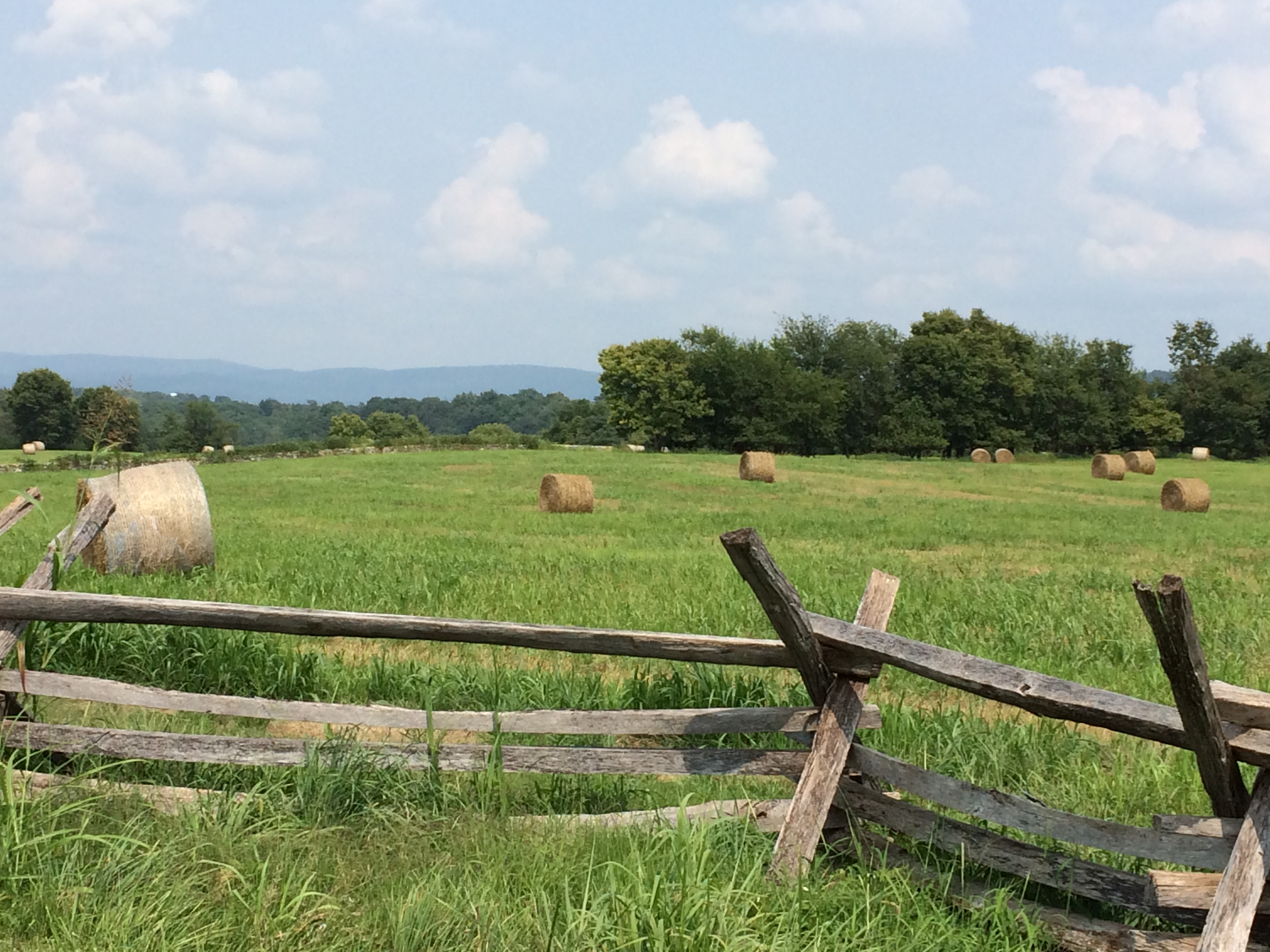
In recent years, public health advocates have started to worry that PFAS may also be entering our food supply via the sewage sludge applied to farmland. According to the New York Times, five states – Texas, Michigan, New York, Maine and Tennessee – have detected PFAS on farmland treated with sewage sludge, sometimes in high levels. Crops grown in contaminated soil absorb the chemicals and pass them up the food chain.
In Maine and Michigan, officials shut down farms after finding high concentrations of PFAS in the soil and in the meat of grazing animals. Maine officials found contamination on 56 farms and in 23% of more than 1,500 groundwater samples taken from farms and residences.
In 2022, Maine banned the use of sewage sludge on agricultural land and prohibited most uses of PFAS in consumer products starting in 2030. The state is now working with affected farmers to compensate them or find alternative uses for contaminated land. Officials note that the testing programs are just beginning and fear that they may be seeing only the tip of the iceberg.
The New York Times did not include Virginia among the states known to have PFAS-contaminated farmland. That’s not because we don’t have a problem. Rather, it’s because the Virginia Department of Environmental Quality (DEQ), which issues permits to municipal wastewater treatment plants, doesn’t require sludge to be tested.
What little we do know is cause for concern. The conservation group Wild Virginia analyzed data submitted to DEQ in 2022 by a small number of drinking water and wastewater treatment plants that voluntarily tested their effluent. Limited and incomplete as it was, the information revealed that 20 of the 21 wastewater treatment plants that tested for PFAS found significant concentrations in their effluent. Only 8 of the plants also tested their sludge, but all 8 reported significant concentrations of PFAS.
I talked by phone with David Sligh, Wild Virginia’s conservation director and a former DEQ employee, who told me the group plans to publish a report on this problem in the coming week. DEQ, he said, has the authority to regulate PFAS in treatment plants’ effluent and sludge and should be doing so to protect the public. His group has joined other members of the Virginia Conservation Network in calling on DEQ “to place the responsibility and cost of cleaning up PFAS on the industries that use and manufacture PFAS by requiring PFAS disclosure, monitoring, and limits in pollution discharge permits.”
DEQ, however, seems to be in no hurry. Neil Zahradka, manager of the land applications program at DEQ, wrote in an email to Tyla Matteson, a Sierra Club volunteer who works on sewage sludge issues, “To date, DEQ has relied upon the EPA biennial reviews to determine if additional regulation of biosolids is necessary beyond that contained in current permits, and no additional limits or criteria for PFAS have been set. … [A]ccording to the EPA PFAS Strategic Roadmap, they plan to complete the risk assessment for PFAS in biosolids this year. We do plan to update the DEQ biosolids fact sheet once we have additional substantive information to offer landowners.”
Waiting for EPA to act first is convenient, but it does a grave disservice to Virginians. EPA itself has stalled for so long that Potomac Riverkeeper, Public Employees for Environmental Responsibility (PEER) and other groups finally sued the agency this year for its failure to regulate PFAS in sewage sludge used as fertilizer. According to PEER, EPA identified 10 different types of PFAS among some 250 pollutants contaminating sewage sludge, yet insists it is only obligated to identify the toxics in sewage sludge, not do anything about it.
I suspect EPA and DEQ’s hesitance is due to the fear of what they would find in any extensive testing program. If testing confirmed widespread contamination in sewage sludge, DEQ would – one hopes – feel obligated to stop the practice of spreading it across the farms that produce our food. After all, if you identify a poison in your product, the answer is probably not to spread it among as many people as possible.
Annoying as it would be for DEQ, industry and even farmers to learn the truth, though, the alternative is worse. PFAS can be removed, either in the wastewater treatment process or, ideally, before it leaves its industrial source. Not testing and treating means needlessly exposing farmers, their families and their animals – and ultimately all the rest of us – to chemicals that have no safe level of exposure.
Given what we know about the harms PFAS causes, DEQ’s inaction is inexcusable. If Maine can tackle this threat to its land and people, surely Virginia can do it as well. We should expect no less.
This article was originally published in the Virginia Mercury on September 26, 2024.

 Power for the People VA