Unknown's avatar

Facing data center sprawl and an energy crisis, Virginia legislators leap into action. Nah, just kidding.

This was supposed to be the year the General Assembly did something about data centers. Two years ago, it crushed the first tentative efforts to regulate construction, choosing instead to goose the pace. Last year it again killed all attempts at regulation, punting in favor of a study by the Joint Legislative Audit and Review Commission (JLARC). 

JLARC’s report was released in December to a soundtrack of alarm bells ringing. Unconstrained data center growth is projected to triple electricity demand in Virginia over just the next 15 years, outstripping the state’s ability to build new generation and driving up utility bills for everyone. On top of the energy problem, the industry’s growth is taxing water supplies and spawning billions of dollars’ worth of transmission infrastructure projects needed to serve the industry.

Yet the most popular strategy for addressing the biggest energy crisis ever to face Virginia is to continue the status quo – that is to say, to keep the data center sprawl sprawling. Of the two dozen or so bills introduced this year that would put restrictions on growth, manage its consequences, or impose transparency requirements, barely a handful have survived to the session’s halfway point this week. 

The surviving initiatives address important aspects of local siting, ratepayer protection and energy, though they will face efforts to further weaken them in the second half of the session. Even if the strongest bills pass, though, they will not rein in the industry, provide comprehensive oversight or address serious resource adequacy problems. 

HB1601 from Del. Josh Thomas, D-Gainesville, is the most meaningful bill to address the siting of data centers. It requires site assessments for facilities over 100 MW to examine the sound profile of facilities near residential communities and schools. It also allows localities to require site assessments to examine effects on water and agricultural resources, parks, historic sites or forests. In addition, before approving a rezoning, special exception or special use permit, the locality must require the utility that is serving the facility to describe any new electric generating units, substations and transmission voltage that will be required. Existing sites that are seeking to expand by less than 100 MW are excluded. HB1601 passed the House 57-40, with several Republicans joining all Democrats in favor. 

SB1449 from Sen. Adam Ebbin, D-Alexandria, is similar to HB1601 but does not include the language on electricity and transmission lines. SB1449 passed the Senate 33-6. 

Typically, when the House and the Senate each pass similar but different bills, they each try to make the other chamber’s bill look like theirs, then work out the differences in a conference committee. If that happens here, the House will amend SB1449 to conform it to HB1601 before passing it. The Senate might amend the House bill to match its own. In this case, however, Ebbin’s bill never had the language on electricity and transmission. It’s possible the Senate will recognize that HB1601 is better and pass it as is rather than watering it down to match SB1449; otherwise, the bills will have to go to conference.

Only two ratepayer protection bills passed.  SB960 from Sen. Russet Perry, D-Leesburg, is the better of the two. It requires the SCC to determine if non-data center customers are subsidizing data centers or incurring costs for new infrastructure that is needed only because of data center demand; if so, the SCC is to take steps to eliminate or minimize the cross-subsidy. The bill incorporates a similar measure from Sen. Richard Stuart, R-Westmoreland. It passed the Senate by a healthy 26-13, but leaves the question of why those 13 Republicans voted against a bill designed to protect residential customers from higher rates. 

Over in the House, HB2084 from Del. Irene Shin, D-Herndon, started out similar to Perry’s bill but was weakened in committee to the point that its usefulness is questionable. It now merely requires the SCC to use its existing authority during a regular proceeding sometime in the next couple of years to determine whether Dominion and Appalachian Power are using reasonable customer classifications in setting rates, and if not, whether new classifications are reasonable. It passed the House 61-35. Hopefully the House will see the wisdom of adopting SB960 as the better bill, but again, these could end up going to conference.

The only data center legislation related to energy use to have made it this far is SB1047 from Sen. Danica Roem, D-Manassas. It requires utilities to implement demand-response programs for customers with a power demand of more than 25 MW, which could help relieve grid constraints. It passed the Senate 21-17.

The data center industry and its labor allies were successful in killing all other data center initiatives, including the only bills that dealt with the energy issues head-on. This included legislation that basically called on the industry to live up to its sustainability claims. SB1196, Sen. Creigh Deeds, D-Charlottesville and HB2578, Del. Rip Sullivan, D-Fairfax, would have conditioned state tax subsidies on data centers meeting conditions for energy efficiency, zero-carbon energy and cleaner back-up generators. Sullivan’s bill also set up pathways for data center developers to meet the energy requirements and work towards cleaner operations.

None of this mattered. Republicans were united in their determination not to put anything in the way of continued data center sprawl, and they were joined by a number of Democrats who were persuaded that requiring corporations to act responsibly threatens construction jobs. HB2578 died in subcommittee, with Democrats Charniele Herring and Alfonso Lopez joining Republicans in voting to table the bill. SB1196 was never even granted a committee hearing. 

Yet the idea of adding conditions to the tax subsidies is not dead. Senator Deeds put in a budget amendment to secure the efficiency requirements that had been in his bill. His amendment takes on a House budget amendment requested by Delegate Terry Kilgore, R-Gate City, that extends the tax subsidies out to 2050 from their current sunset date of 2035, with no new conditions whatsoever. 

It seems like a reasonable ask for the tech industry to meet some efficiency requirements in exchange for billions of dollars in subsidies and the raiding of Virginia’s water and energy supplies. Indeed, the industry could have had it worse. Senator Stuart had introduced a bill to end the tax subsidies Virginia provides to data centers altogether. Alas, like several other more ambitious bills intended to bring accountability to the data center industry, it failed to even get a hearing in committee.  

Now, maybe Virginia will get lucky – or unlucky, depending on how you look at it – and the data center boom will go bust. The flurry of excitement around China’s bid to provide artificial intelligence at a fraction of the cost of American tech joins other news items about efficiency breakthroughs that could mean the tech industry needs far fewer data centers, using far less energy and water. That would be good for the planet, not to mention Virginia ratepayers, but it would leave a lot of empty buildings, upend local budgets, and strand potentially billions of dollars in new generation and transmission infrastructure. A little preparation and contingency planning would seem to have been the wiser course.  

Failed bills.

Most bills to regulate data centers never made it out of committee, but the problems of data center sprawl and resource consumption will only increase in coming years. In addition to the energy legislation from Senator Deeds and Delegate Sullivan, here are other bills we may see come back again in another form. 

SB1448 from Sen. Richard Stuart, R-Westmoreland, would have required any new resource-intensive facility (defined as drawing more than 100 MW or requiring more than 500,000 gallons of water per day) to get a permit from the Department of Environmental Quality. DEQ is to permit the facility only “upon a finding that such facility will have no material adverse impact on the public health or environment.” The impacts are broadly defined and include transmission lines and cumulative impacts from multiple facilities in the same area. The bill reported from Senate Agriculture, Conservation and Natural Resources but was then sent to Finance and Appropriations, never to be heard from again. 

A bill from Del. Thomas would have required localities to change their zoning ordinances to designate data centers as industrial uses and to consider changes in how they evaluate data center siting, especially around noise impacts. HB2026 was tabled unanimously in subcommittee. 

HB2712 from Del. Ian Lovejoy, D-Manassas, would have authorized a locality that is weighing a permit application for a data center to consider factors like water use, noise and power usage, and to require the applicant to provide studies and other information. It lost on a bipartisan subcommittee vote. 

Lovejoy’s HB1984 would have required data centers to be located at least one-quarter mile from parks, schools and residential neighborhoods. It was killed on an 8-0 subcommittee vote. 

A third Lovejoy bill, HB2684, would have required Dominion to file a plan with the SCC every two years to address the risk that infrastructure built to serve data centers might become stranded assets that other customers would be left paying for. It was never docketed. 

A bill that did not mention data centers but originated with local fights over the siting of transmission lines needed to serve them was Roem’s SB1049. It would have prohibited new overhead transmission lines unless the SCC determined that putting them underground was not in the public interest. It lost in a 4-11 vote in committee.  

This article (minus the section on failed bills) was published in the Virginia Mercury on February 10, 2025.

Unknown's avatar

Distributed solar bills move forward, while progress on siting utility solar stalls out

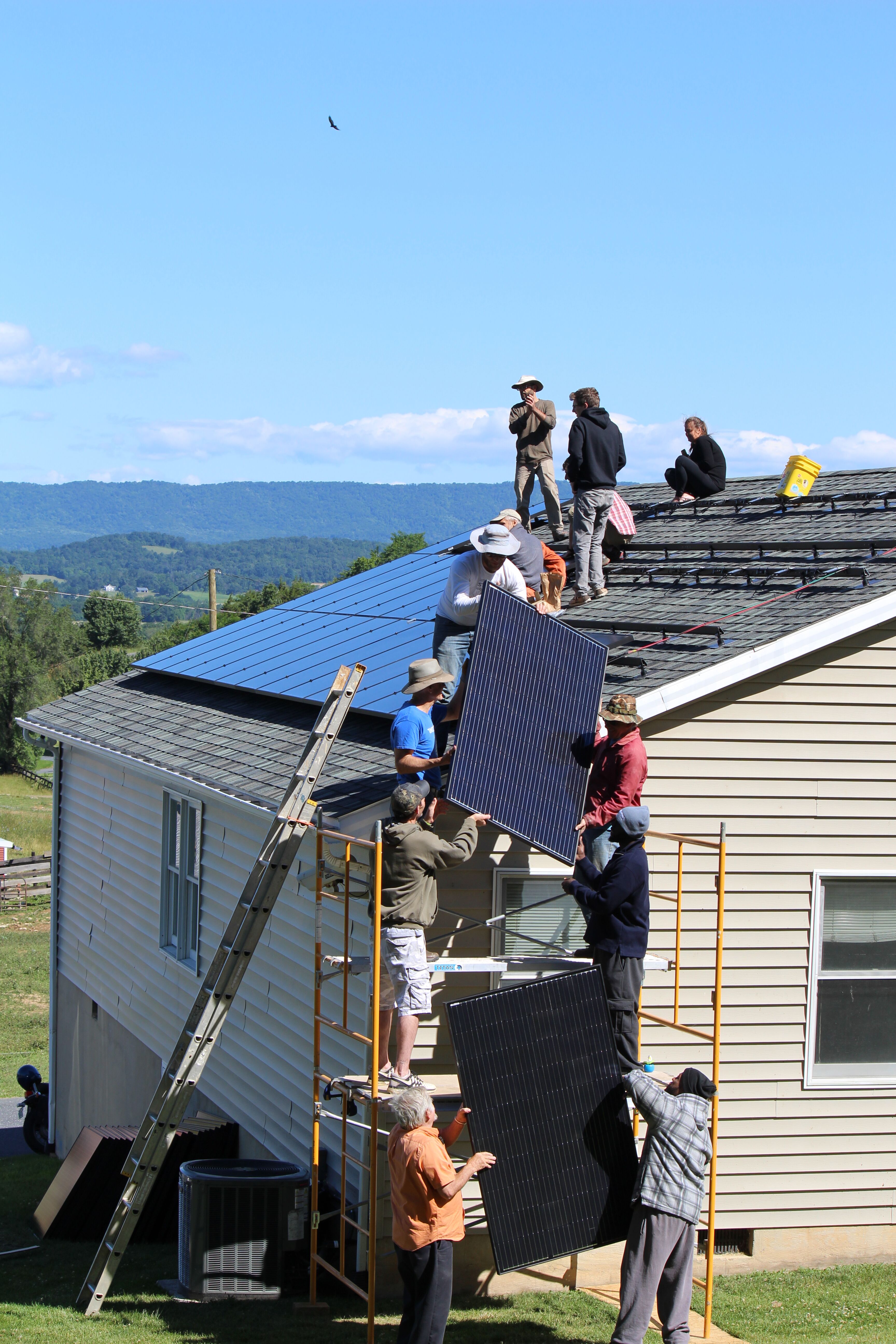
Photo credit Norfolk Solar.

Virginia’s desire to be a leader on clean energy has faced numerous challenges over the past few years, coming from many different directions. Landowners who want utility-scale solar on their rural property face increasingly hostile county boards, with no provisions for relief. 

School systems, local governments and commercial customers that want solar on their buildings have been blocked by expensive new interconnection requirements imposed by Dominion Energy. And the clock is ticking on net metering, the program that gives customers with solar panels a one-for-one credit on surplus electricity they feed back into the grid. 

The solar industry is used to struggling for every foothold it gets in Virginia, but these new challenges come at a particularly bad time. With data center growth creating huge pressures on our electricity supply, Virginia needs more clean energy in every size range, and needs it now. Any coherent approach to meeting demand has to include removing unnecessary barriers to both utility-scale and distributed solar. That both are facing more barriers, rather than less, suggests the state still hasn’t figured out what it takes to be an energy leader.  

None of the legislation at the General Assembly this year addresses this fundamental failing head-on, but several bills took on some of the barriers. In particular, bills focused on rooftop solar and other distributed generation have made it to halftime in decent shape.

Sadly, the same cannot be said of bills designed to bring more utility-scale solar to Virginia, including siting legislation developed by the Commission on Electric Utility Regulation (CEUR) and carried by Del. Rip Sullivan, D-Fairfax, and Sen. Creigh Deeds, D-Charlottesville. The legislation sought to tackle the biggest obstacle to unleashing gigawatts of clean, low-cost energy across Virginia: local governments that deny permits to solar and energy storage facilities, acceding to neighbors who don’t want to have to look at solar panels where they once saw fields and forests. (Anti-solar fossil fuel front groups don’t help matters either.)  

On the House side, Sullivan’s HB2126 was killed in a subcommittee vote. Senate Bill 1190 made it to the Senate Floor but was defeated when two Democrats, Senators Russet Perry and Lashrecse Aird, joined with all Republicans in siding with localities that did not want to cede any part of their authority over land use. The bill would have pressured local governments, but it did not strip them of authority. They would have been required to include in their comprehensive plans targets for energy production and energy efficiency (the latter an interesting addition). In evaluating specific projects, localities would have had to consider advisory opinions that would be issued by a new interagency panel of experts recruited from Virginia universities. Perhaps of greatest import, localities would no longer have been allowed to adopt ordinances that ban all projects outright or place unreasonable restrictions on them, or deny permits “without a reasonable basis.”

The Senate bill “incorporated” (by which is meant, it jettisoned the provisions of) another solar siting bill from Sen. Jeremy McPike, D-Woodbridge, and a separate piece of legislation from Sen. Schuyler VanValkenburg, D-Richmond, that would have prescribed rigorous best practices for utility solar projects.

Over in the House, however, a companion to VanValkenburg’s bill from Del. Candi Munyon King, D-Dumfries, HB2438, passed the chamber 48-46. The bill came from the solar industry itself, proposing to adopt the highest standards for itself. So why wasn’t the vote unanimous? Go figure.

Bills advancing small-scale solar move forward

Legislation promoting distributed generation did not go through the CEUR pipe, but these bills show some wear and tear of their own.  A loose-knit group of advocates under the banner of the Equitable Solar Alliance came in with a package of three bills, all of which remain alive after favorable committee votes. 

HB1883, from Del. Katrina Callsen, D-Charlottesville, increases the tiny carve-out for distributed solar that is part of Dominion’s obligation to buy renewable energy certificates in compliance with Virginia’s renewable portfolio standard. The bill has been pared down since it was introduced but still makes several changes benefiting behind-the-meter solar and battery storage systems under 3 MW.  The distributed generation carve-out, currently 1% of the renewable standard target, will get bumped to 3% in 2026 and 5% in 2028, with further changes possible later if the the State Corporation Commission (SCC) decides on it. Third-party power purchase agreements, which had been restricted to commercial projects, will now be available to residential customers. And whereas currently only projects smaller than 1 MW can earn up to $75 per renewable energy certificate, the bill now makes that amount available for projects up to 3 MW. (Certificates for larger solar projects are effectively capped at $45 per certificate.) 

Callsen’s bill also raises to 600 MW, from 200 MW currently, the target for solar on previously developed sites. It also specifies that 65% of distributed projects qualifying for the Virginia Clean Economy Act’s 1,100 MW target for solar under 3 MW should be developed by non-utility providers.  

HB1883 passed the House unanimously. Its Senate companion, SB1040from Valkenburg, made it through committee without Republican support but passed the Senate 26-14. 

Two other bills, HB2346 from Del. Phil Hernandez, D-Norfolk, and SB1100 from Sen. Ghazala Hashmi, D-Richmond, establish a pilot program for virtual power plants (VPPs), which aggregate customer solar and storage resources and demand response capabilities. In concept, a VPP allows a utility to pay customers to let it make use of these capabilities, enabling it to meet peak demand without having to increase generation. (If you are familiar with programs in which your utility pays you to let it cycle your air conditioner off for a few minutes at a time on hot summer days, you have the idea.) VPPs are becoming popular in other states as a way to subsidize customers’ investments in things like battery storage, while reducing utility costs and saving money for all ratepayers. 

The original hope for this legislation was ambitious: a vision of energy democracy that would reshape the way utilities interact with residential and commercial customers and make the most efficient use of new technologies like electric vehicle charging and smart appliances. The financial benefits to customers could even be enough to offset the costs of investments like home batteries, potentially offering a way for rooftop solar to remain affordable even if the SCC guts Virginia’s net metering program. 

But, this being Virginia, the legislation making its way through committee calls only for pilot programs that utilities design and largely control, although they will be voluntary for participants. After 2028, however, the SCC may create permanent programs. SB1100 passed the Senate 22-18. HB2346 passed the House 71-27.

The third bill in the package, HB2356 from Del. Candi Munyon King, establishes an apprenticeship program to help develop a clean energy workforce, and requires participants to be paid prevailing wages. This bill is more politically divisive than the first two, and it passed the House only on a party-line vote. A companion bill passed the Senate on a party-line vote as well. With Republicans unified in opposition, we are likely to see amendments or a veto from the governor. 

A couple of other bills seek to address the costs of interconnecting small-scale solar facilities, including those on schools and government buildings. After Dominion Energy changed its rules in late 2022, customers found the cost of connecting solar facilities to the distribution grid was suddenly so high as to make it impossible to pursue projects in the affected size range.

HB2266 from Del. Kathy Tran, D-Springfield, requires the SCC to approve upgrades to the distribution system that are needed to accommodate grid-connected solar — a safeguard designed to prevent the utility from larding on costs. The utility must then spread the costs across all projects that benefit from the expanded capacity. This strikes me as a pretty elegant solution to the interconnection muddle. HB2266 passed the House 57-41. 

 SB1058 from Sen. Adam Ebbin, D-Alexandria, originally would have simply exempted public schools from interconnection costs. It was amended to look like Tran’s bill and then passed the Senate 21-18.

Finally, a bill from Del. David Bulova, D-Fairfax, would allow local governments to include in their land development ordinances a requirement that certain non-residential applicants install solar on a portion of a parking lot. HB2037 passed the House on a 64-32 vote and will now go to the Senate Committee on Local Government. 

This article was originally published in the Virginia Mercury on February 3, 2025. It has been updated to reflect the most recent General Assembly votes.

Unknown's avatar

It’s the fossil fuels, stupid

For low-cost electricity, Virginia needs renewable energy — not gas plants

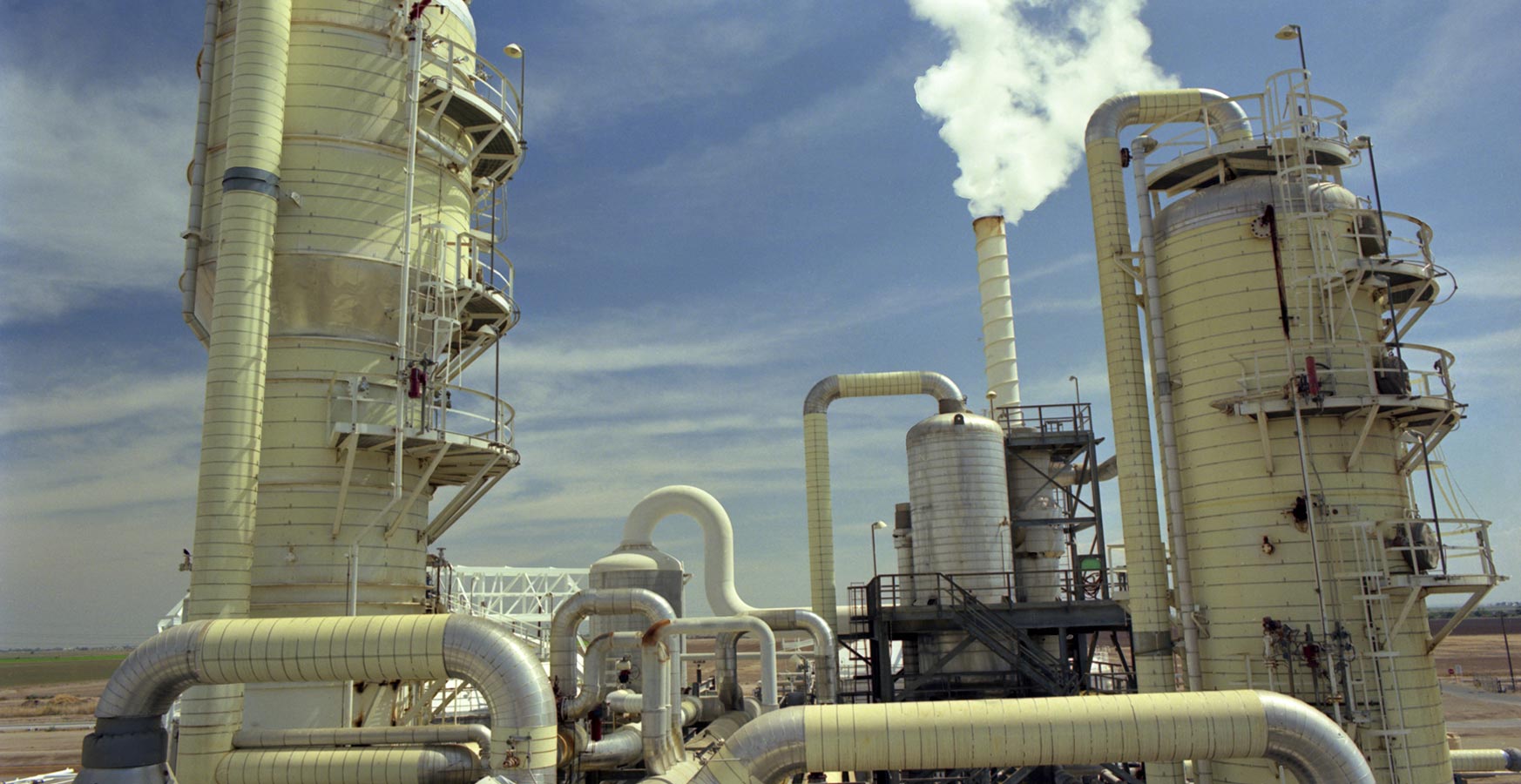
smokestack
Photo credit Stiller Beobachter via Wikimedia.

Southwest Virginia leaders are up in arms over electricity rate hikes. It’s understandable: Appalachian Power, which serves residents in 34 counties, has raised rates by over 46% since July 2021, and its rates now rank among the state’s highest. Last March, it sought another increase that would have resulted in residents paying $10.22 more per month on average. Although the State Corporation Commission’s November ruling granted APCo a much smaller rate hike, customers are raising a ruckus about the high bills.

Complaints have reached such a fever pitch that Del. James Morefield, a Republican who represents parts of five southwest Virginia counties, filed legislation this month to cap the rates APCo can charge. Over in the Senate, another southwest Virginia Republican, Travis Hackworth, has launched a direct attack on APCo’s monopoly: His legislation would allow any residential customer of APCo whose monthly bill exceeds 125% of the statewide average to buy electricity from another provider.  

These bills might be more performative than serious. But in this case, legislators themselves are at least partly to blame. In 2023, another Southwest Virginia Republican, Israel O’Quinn, drove legislation that excused APCo from having to write integrated resource plans (IRPs) – those pesky documents that tell regulators how a utility plans to comply with state laws and meet the needs of customers at least cost. Both Hackworth and Morefield voted for the bill. 

In 2024, O’Quinn also championed legislation that allows APCo to charge customers for costs of developing a small modular nuclear reactor. Hackworth also supported this new burden on ratepayers, though Morefield did not.

This year, the Commission on Electric Utility Regulation is promoting legislation to reform the IRP process, including making APCo file plans again. That may help. Fundamentally, though, the primary reason APCo’s customers are paying so much is that the utility remains so dependent on fossil fuels. As of the date of its 2022 IRP, APCo relied on coal and fracked gas for 85% of its electricity. Prices for both fuels spiked so high in 2021 and 2022 that utilities were left with huge bills to pay. 

 In 2022, APCo told the SCC it had spent an extra $361 million over budget on gas and coal. Virginia law allows fuel costs to be passed through to customers, so the SCC couldn’t prevent bills from rising to cover the outlay. Instead, the SCC allowed the company to recover the excess fuel costs from its customers over two years by charging roughly $20 more per month to residents, spreading out the pain but also extending it. O’Quinn’s 2023 legislation let the company finance the costs, which meant customers pay interest on top of the fuel costs.

 APCo was not the only utility passing along high gas costs. Dominion Energy Virginia also got caught off guard and asked to spread its excess fuel costs out over three years, adding an average of $15 to residential customer bills. Dominion customers are not happy either. 

 Gas prices have since dropped, and the remarkably short memories of legislators have led them to think they will now stay low forever. Having learned precisely nothing, they also insist that the only way to ensure an adequate supply of reliable, low-cost energy to serve the data center boom is for Virginia to increase its reliance on gas instead of transitioning away from it.    

 The evidence does not support this fantasy. Contrary to Republican orthodoxy, new renewable energy is cheaper than new fossil fuel generation. That’s why in 2024, 94% of all new power capacity in the U.S. came from solar, batteries and wind energy. Fossil gas made up just 4% of new generating capacity. Yes, many states are now proposing to build new gas plants, so the trend could reverse, but that’s only because the rush of data centers and new manufacturing has made large users desperate for more energy at any cost. 

 It’s true that solar, Virginia’s least-cost resource, only produces electricity when the sun shines. But even adding battery storage to solar energy, allowing it to serve as baseload power or a peak power resource, still results in lower electricity costs than the gas combustion plants that are used to produce electricity at peak times. (In Virginia, Del. Rip Sullivan, D-Fairfax, has introduced legislation to expand storage targets for Dominion and APco, including for long-duration storage.)

 The era of low-cost renewable energy is fairly new, but it is already impacting utility bills across the country. Virginia used to boast of its low rates; now there are 22 states with lower residential electricity rates than Virginia. And of those, U.S. Energy Information data shows that all but five generate a higher percentage of their electricity from renewable energy. 

With data centers proliferating across Virginia unchecked, utility rates are under even more pressure now. The Joint Legislative and Audit Review Commission data center study, released last month, warns that ratepayer costs will inevitably rise under an “unrestrained growth” scenario that reflects current policy.

It’s too early to tell whether any of the many bills to protect residential ratepayers and put guardrails on data center development will pass. For now, the governor and many Republicans seem to prefer to use the crisis to crush the transition to renewable energy. As in past years, Republicans have introduced bills to repeal the Virginia Clean Economy Act or undermine it in various ways.

Making solar more difficult and expensive to build is also part of the strategy. The party that used to stand for individual liberty and personal property rights now instead champions local governments that deny farmers the ability to put solar on their land.

Talking up fossil fuels and dumping on solar may make for good politics with the folks in rural districts. That doesn’t mean it’s in their interests. If high utility bills are what really matter, legislators should be pushing renewable energy and storage, not expensive gas plants. 

This article appeared in the Virginia Mercury on January 20, 2025. Interestingly, today writers at two other publications, Cardinal News and Bacon’s Rebellion, took up one aspect of this topic that I only alluded to, the fact that Virginia “imports” more electricity than any other state. Virginia politicians have been exercised on this topic for as long as I’ve been writing, and it has always struck me as strange. It’s not like we need to worry about the political ramifications of a trade imbalance with Pennsylvania.

But as Duane Yancey noted, those electrons coming into Virginia from elsewhere in PJM do tend to be dirty. That’s especially the case for APCo, which operates coal plants in West Virginia and has been ordered by the West Virginia Public Utilities Commission to run those plants at a 69% capacity factor, regardless of the economics. I have not been able to find out anywhere the percentage of APCo’s generation that comes from coal as opposed to gas, but the West Virginia PUC order unquestionably means APCo’s Virginia customers are paying too much.

One other thing to note on the topic of imports: when I wrote that APCo’s resource mix is 85% fossil fuels, that did not mean the other 15% is renewable. In fact, most of the rest is purchased power, meaning mostly fossil fuels also.

By the way, readers may notice a few discrepancies among the articles, which is worth explaining. Both Yancey and James Bacon cite figures for Virginia electricity rates and how they compare to other states that are different from my numbers. The reason is that they are working from combined rates for residential, commercial and industrial, where I’m using residential only. Virginia’s combined rate compares more favorably to those of other states than does its residential rate because our commercial and industrial rates are lower.

Virginia’s low commercial rates have been a major draw for data centers. But if you’re a residential customer right now, maybe that’s pretty cold comfort.

Unknown's avatar

The clean energy revolution will continue

Photo credit iid.com

Eight years ago last week, I wrote a column titled, “Why Trump won’t stop the clean energy revolution.” Calling global warming a hoax, businessman and reality TV star Donald J. Trump had just been elected with a promise to save coal jobs and pull the U.S. out of the Paris climate accord. 

Climate activists were deeply distraught then, as now. I wrote in 2016, “Reading the news Wednesday morning was like waking up from a nightmare to discover that there really is a guy coming after you with a meat cleaver.”

But as I also wrote, there is only so much damage a president can do when technology, popular opinion and – especially – economics don’t support his agenda. Trump couldn’t save the coal industry (though he tried). Instead, his administration oversaw a 24% decline in coal employment. And where coal supplied 30% of U.S. electricity in 2016, by the time Trump left office it had fallen to 20%. 

In the intervening years, Trump seems to have lost interest in coal mining, even as he continues to embrace fossil gas production. His enthusiasm for gas fracking fits with his drill-baby-drill approach to energy, but it was also intended to win over voters in Pennsylvania, a major producer of shale gas. Ironically, the gas industry insists on calling methane “clean” precisely because burning it emits less CO2 than coal. 

While coal was dying, wind and solar were well on their upswing when Trump took office in 2017, and they continued to advance through his first administration. By 2020, wind and solar had become the cheapest forms of new electric generation. Today, renewable energy supplies more than 21% of the nation’s electricity, while coal’s share has dropped further, to just 16%. Trump or no Trump, technological advances and a thirst for cleaner energy continue to drive new wind and solar generation.

Indeed, the offshore wind industry – famously reviled by Trump – wasted no time last week in congratulating its erstwhile foe on his victory and insisting, hilariously, that his election is a big win for the industry. The first Trump administration, they noted hopefully, “laid out the fundamental framework for our modern offshore wind industry.”

Well, okay. From their lips to Trump’s ears. Trump is hardly known for consistency, and it is not impossible to imagine him softening his position on an industry that is creating well-paying jobs for the blue-collar workers who make up a portion of his base. His Virginia acolyte, Republican Gov. Glenn Youngkin, boasts of overseeing the building of the nation’s largest offshore wind farm. Why shouldn’t Trump pivot? 

Early in the Republican primaries, one candidate opined that all the solar panels and batteries sold in the U.S. are made in China. That wasn’t actually true. For years one U.S. company, First Solar, has ranked among the world’s top ten solar panel manufacturers. Among the domestic manufacturers of both EVs and batteries, one of the largest is Tesla, whose CEO Elon Musk is now a Trump darling. It is going to be fascinating to find out whether Musk uses his influence to benefit the clean energy transition generally, or only himself. 

Yet the notion that China dominates solar and battery production is also not wrong. China is eating our lunch on clean energy. Chinese companies produce 80% of the world’s solar panels and more than half of its electric vehicles. Sadly, perhaps, these are not cheap imitations of superior American products. They are world-leading technology. 

Chinese dominance of the world market was a major reason that President Joe Biden’s signature climate law, the Inflation Reduction Act (IRA), put so much emphasis on supporting domestic manufacturing. Tariffs on Chinese goods, Trump’s preferred approach, help U.S. companies compete for American consumers, but they don’t support an export market when other countries produce better goods for less money. Even at home, critics note, tariffs mostly just raise prices.

Yet Trump has vowed to repeal the IRA, and given that Congress passed it without Republican support, there is certainly a danger that a Republican Congress will comply. On the other hand, observers note that 80% of the manufacturing tax credits have gone to red states, and this August, 18 House Republicans signed a letter to Speaker Mike Johnson asking to keep the credits. 

I don’t want to sound too optimistic. Wait, let me rephrase that: I don’t feel optimistic at all. We are facing headwinds today that weren’t around in 2016. At that time, gains in energy efficiency meant electricity demand was not increasing, in spite of a growing population. With wind and solar displacing coal, there was a clear pathway for CO2 emissions from the electric sector to continue falling. 

Today, however, the skyrocketing demand for electricity from data centers threatens the progress we’ve made on clean energy. It remains to be seen whether artificial intelligence will unleash efficiency gains and novel technologies that can put carbon reductions back on track. Right now, though, tech companies are so desperate for power that they will take it from wherever they can get it, and regardless of carbon content.  (I notice, though, that they still want it to be cheap and are happy to greenwash it to meet their sustainability goals). 

Perhaps the biggest change from eight years ago is simply that we are that much closer to reaching catastrophic climate tipping points. 2023 was the warmest year on record, and 2024 is on track to surpass it. The effects are evident in the number and costliness of severe weather and wildfires made worse by global warming. (Just ask insurance companies.) It is frustrating, to say the least, to contemplate losing the next four years to an administration that thinks climate change wouldn’t be an issue if we would just stop talking about it.  

Yet Americans of all political stripes continue to support renewable energy by wide margins. And apart from a small minority of vocal climate deniers, most Americans want the U.S. to take stronger action on climate. 

This election revealed deep fault lines among the American public, but one thing we all have in common is the faith that our ability to solve intractable problems is stronger even than our tendency to wish the problems away. 

That’s why, even in the face of such serious headwinds, the clean energy revolution will continue. 

This column was originally published in the Virginia Mercury on November 12, 2024.

Unknown's avatar

Once again, Dominion’s energy plan falls short. This time, the SCC isn’t having it.

Dominion Energy headquarters, Richmond, VA

On October 15, Dominion Energy Virginia filed its 2024 integrated resource plan (IRP), and just as in 2023, the company shows no inclination to meet the carbon-cutting requirements of the Virginia Clean Economy Act (VCEA). Blaming soaring load growth from data centers, Dominion models only scenarios with increasing amounts of fossil fuel generation to supplement its investments in renewable energy and nuclear. A scenario that would actually comply with the law is discussed only as something stakeholders asked for, then dismissed as “infeasible.”

Tellingly, the company notes casually that its own scenarios “evaluate the impacts of” the VCEA, as if the law were merely advisory, while the utility retained the final say. It’s kind of like a driver thoughtfully “evaluating the impact” of a speed limit – and then accelerating.

To be fair, this used to work for Dominion. The State Corporation Commission (SCC) has a long history of criticizing Dominion’s IRPs and ordering the company to do better next time, but never outright rejecting a plan. If traffic cops only ever gave out warnings, you would expect to see more scofflaws.

This year, though, the three-member SCC has two new commissioners, and already they have shown they intend to take their oversight role seriously. The commission didn’t even wait to see what Dominion would come up with before demanding improvements. On October 11, four days before Dominion submitted its IRP, the SCC issued an order instructing the utility to supplement its filing with additional work, to be submitted by November 15.

The task list includes modeling plans that meet the requirements of the VCEA, with at least one that incorporates data center load and one that doesn’t, as well as least-cost plans with and without data centers. In addition, the SCC wants Dominion to break down the costs of new transmission projects to identify the expenses that are primarily due to data center demand. 

The order tacitly acknowledges that the staggering growth of the data center industry in Virginia has upended utility planning. At the same time, the SCC is not giving Dominion a free pass, either on costs or on VCEA requirements. If Dominion believes it can only meet demand reliably by adding expensive gas peaker plants, it is going to have to prove it.

As I wrote a few weeks ago, the SCC plans to convene a technical conference in December to examine issues around serving data center load. Of paramount interest to the commission are the questions of how much it will cost to meet the burgeoning demand, and how to protect other consumers from rate increases for new generation and transmission infrastructure needed only because of one industry. 

The SCC is not alone in its concerns about Dominion’s cavalier approach to its IRP obligations. Last year, with a goal of improving utility oversight, the General Assembly revitalized its Commission on Electric Utility Regulation, which formerly served as a graveyard for utility reform bills. (CEUR used to be pronounced “sewer,” but commission members would dearly love it if you would now call it “the cure.”) 

In a September 16 memo, CEUR director Carrie Hearne recommended members consider a list of reforms that would, among other things, require Dominion to include in its IRP “a VCEA conforming scenario that does not assume to exercise an immediate exemption due to reliability concerns.” This scenario would have to incorporate the social cost of carbon, meet energy efficiency metrics (another area where Dominion has fallen short), plan for the retirement of fossil fuel plants targeted for closure in the VCEA, and assume an “unobstructed” buildout of renewable energy and storage (removing the artificial caps Dominion currently employs). 

In other words, CEUR would like Dominion to follow the law.

Ratepayer and environmental advocates have applauded the more muscular approach being taken by CEUR and the SCC. Dominion, however, has remained steadfastly oblivious to the hints flung at it from all sides.

The company remains unapologetic. In an op-ed, Dominion Energy Chairman Bob Blue insists the company is pursuing an “all of the above” strategy that will produce electricity that is “reliable, affordable and increasingly clean” – an assertion he repeats three times, as if saying it often enough makes it true. 

As the IRP puts it, however, “perceptions of affordability are subjective.” Analyzing its favored scenario using the methodology directed by the SCC, Dominion projects residential bills will rise over the next 15 years from an average of $142.77 today to $315.25 in 2039. 

Let’s be charitable, though. Maybe when Mr. Blue said the company was committed to affordable energy, he meant for data centers.

“Increasingly clean” is even more counter-factual. As reported in the Mercury, “The utility’s previous plan projection said about 95% of electricity generation would be pulled from renewable sources. Tuesday’s updated plan calls for about 80% of generation to be spurred by renewables.” And as with the 2023 IRP, Dominion plans to keep expensive and highly polluting coal plants operating beyond their previous retirement dates, putting the company even further away from “clean.”

Dominion’s 2023 IRP received considerable criticism for projecting a doubling of greenhouse gas emissions by 2048, a year when they should be at zero under the terms of the VCEA. Dominion appears to have learned a lesson from that public shaming, but not the right lesson. The 2024 plan shortens the emissions time frame to 5 years, cutting out reporting for the later years when the proposed new methane gas plants would be in service and spewing out CO2. Instead, the IRP brags about lowering “emissions intensity,” a success it can achieve without cutting carbon, just by selling more electricity.  

Participants at a “people’s hearing” on October 29 protested Dominion’s plans for a new methane gas plant in Chesterfield, Virginia. Photo courtesy Friends of Chesterfield.

So much for affordable and increasingly clean. As for reliable, burning more methane will only exacerbate the climate change and extreme weather that have been wreaking havoc on southeastern utilities’ ability to keep the lights on. The recent storms should be a wake-up call for utilities to ramp up renewables, including distributed solar generation and storage to serve communities, rather than building more centralized, carbon-intensive fossil fuel plants to power data centers.

But some companies, like some people, never learn. Finding itself deep in a hole, Dominion proposes to keep on digging.

This article was first published in the Virginia Mercury on October 28, 2024.

A message to my Northern Virginia friends and climate advocates: please consider joining me at a fundraiser on Sunday, November 10 from 5-7 pm to support the work of the Sierra Club’s Virginia Chapter. Special guests include the fabulous Connor Kish, chapter director, and Sierra Club executive director Ben Jealous. RSVP and get more information here. Hope to see you there!

Unknown's avatar

Geothermal energy is having a moment. Could it power Virginia’s data centers?

National Renewable Energy Laboratory

Drill down far enough into the earth, and you will hit hot rocks. Energy companies have used this heat to generate carbon-free electricity for more than a century. It’s an elegant concept, but it worked only where pockets of heat lay close to the surface, accompanied by steam ready-made to turn turbines. Those limitations confined geothermal power plants to geologically active areas like Iceland, parts of Indonesia, and a few locations in the American West. As of 2023, geothermal energy made up less than half of 1% of U.S. electricity generation. 

Suddenly, that is changing. New technology derived from oil and gas fracking methods is allowing energy companies to drill deep into the earth in places far from geologic activity. Wells can reach miles beneath the surface before branching out horizontally and creating fissures in hard, hot rock. Water injected into the wells comes back to the surface as steam to generate electricity. The steam is recaptured and re-injected to take up heat again, in a virtuous cycle powered by the earth itself. 

The benefits

These “enhanced geothermal” systems can produce 24/7 baseload electricity or fill in around variable sources like wind and solar. They can even be used like batteries to store energy, including for long durations.   

Unlike drilling for fossil fuels, geothermal companies avoid the shale formations that hold hydrocarbons, instead targeting non-porous rock. And since the product is not fossil fuel but steam, the technology produces zero-carbon energy without toxic or radioactive waste. 

Freed from geographic limitations and using the same technology and workforce as the oil and gas industry, geothermal energy is ready to take off fast. The U.S. Department of Energy (DOE) sees it spreading across the country to provide as much as 125 gigawatts (GW) of electricity by 2050. A global estimate suggests the industry could eventually produce 4,600 GW of electricity at a cost of 50 euros (around $55) per megawatt-hour or less.

In 2022 DOE launched an “Earthshot Initiative” to reduce the cost of enhanced geothermal energy in the U.S. to $45 per megawatt-hour (MWh) by 2035. If successful, that would put it at or below the cost of any other new, dispatchable energy source. 

Is this technology the answer to the surging demand for electricity from data centers and artificial intelligence? And could it allow Virginia to keep adding data centers without blowing up its climate goals?

The challenges

We do have to keep in mind that not all silver bullets prove to be sterling. Small modular nuclear reactors (SMRs) are evidence that some highly-anticipated technologies don’t follow the rosy timelines and price projections their boosters promise. 

Unlike SMRs, though, enhanced geothermal systems have already achieved commercial deployment. After successfully demonstrating the technology with a 3.5 MW pilot facility,  Fervo Energy signed a contract last year with Google to provide electricity for its data centers from a 115-MW enhanced geothermal power plant in Nevada. Fervo will deliver the power to the local utility, NV Energy, which will then charge a slightly higher price to Google via a proposed new “clean transition tariff.” Fervo has also signed a deal for an even bigger project that will deliver 400 MW to California utilities. 

Using a different fracking-based technology it calls a “Geopressured Geothermal System,” Houston-based Sage Geosystems recently agreed to supply 150 MW of power for Meta’s data centers beginning in 2027. Sage says it can make electricity not just by extracting heat but also by using pressure, an add-on technology that allows it to offer energy storage independent of steam production. 

Both Fervo and Sage say their methods can be used almost anywhere, and both cite advantages over established energy sources. Like wind and solar, geothermal is renewable and carbon-free, but it isn’t dependent on weather. It also doesn’t require fuel sources like coal and gas that are highly polluting and sometimes unreliable in extreme weather

Finally, with a small physical footprint relative to the energy produced, geothermal facilities could be located in urban areas or next to data centers and other large customers without the need for major new transmission lines. 

But of course, the fact that geothermal technology can be used anywhere does not mean it can be deployed profitably everywhere, or at least not yet. A map compiled by the National Renewable Energy Laboratory shows the most ideal areas are still in the West, where hot rocks lie within a few kilometers of the Earth’s surface. In most of the eastern U.S., deeper wells would be needed to reach the same temperatures. For this reason, DOE sees the technology proving out in the West first before spreading east.

But favorability is not purely a function of geology, according to Ben Serrurier, manager of government affairs and policy at Fervo. I wanted to know how soon geothermal systems could start providing electricity to the world’s largest concentration of data centers, in Northern Virginia. He said the biggest impediment for the industry is not location, but the high cost of capital and the paucity of government support compared to SMRs, hydrogen, and other new technologies. 

In spite of these challenges, Serrurier predicted geothermal would be deployed in Virginia by the latter part of the 2030s, noting that his company is already ahead of DOE’s projected timeline for the technology’s maturation. Eastern data centers present an especially attractive market, he said, because demand is increasing so quickly, and utilities have limited options for carbon-free energy. 

Alas, observers of the data center industry know that while renewable energy is nice to have, cheap energy is even nicer. So I wanted to talk about cost.

Serrurier told me Fervo’s first project will deliver power to NV Energy at a price of $107 per MWh, and Google will pay slightly more than that to the utility. That is twice DOE’s target cost for 2035, yet it still puts the price below the U.S average of 13.1 cents per kilowatt-hour ($131 per MWh) for commercial customers, and competitive with the average Nevada commercial rate of 10.92 cents, according to Energy Information Agency data.

That price is, however, more than the 9.54 cents/kWh that the average commercial customer in Virginia pays for electricity derived primarily from fossil fuels. And Fervo’s price is for drilling in the West, not in the less favorable geology of the East.

But heck, anywhere in the country, 10.7 cents for zero-carbon baseload power — with no waste to be cleaned up and no added healthcare costs from pollution — still sounds compelling. Google may have chosen to be a first mover in order to show leadership and promote a new technology, but it is also locking in a solid deal.

Sage does not make its costs public, but Lance Cook, the company’s chief technical officer, told me their process is competitive with combined cycle gas plants when the cost of fossil gas is above $6 per thousand cubic feet. (According to the Energy Information Agency, the price of gas is currently below that level in most states, though gas prices are famously volatile.)  

An additional benefit, said Cook, is that a geothermal plant could be co-located with a data center, foregoing a grid connection and obviating the need for transmission lines. “We can turn electricity into data,” he told me. “It is much easier to connect data than to wait for a grid connection.” 

Both Cook and Serrurier are confident that geothermal will beat new nuclear  price-wise, which today sounds like a safe bet. Analysts warn that cost continues to be a significant issue for the nuclear industry. Current projections for the cost of electricity from SMRs start at $142/MWh. 

Cook noted that Sage’s technology can also provide long-duration energy storage that isn’t dependent on the heat of the earth. This approach can be used anywhere to turn solar and wind power into baseload energy. Sage’s website claims it can achieve this for less than the cost of batteries or pumped hydro.  

With all this promise, enhanced geothermal has been slow to catch the attention of Virginia utilities and policy-makers. The Virginia Code includes geothermal energy in its definition of renewable energy, but enhanced geothermal is not on the list of energy sources that qualify for the state’s renewable portfolio standard (RPS). 

The General Assembly did pass legislation this year from Senate Majority Leader Scott Surovell, D-Fairfax, to include a similarly-named, but quite different, kind of geothermal energy – geothermal heating and cooling systems, also known as ground-source heat pumps – in the RPS. Geothermal heat pumps use the near-constant temperature of the ground just a few feet under our feet to help heat and cool buildings, much as air-source heat pumps do but with greater efficiency. A working group under the auspices of the State Corporation Commission is currently trying to figure out how to award renewable energy certificates (RECs) for a technology that does not produce electricity. 

But drilling down two miles or more and generating electricity at the utility level is quite another thing. Making enhanced geothermal systems eligible for the RPS would be essential to putting the technology on an even footing with other renewables for use in Virginia.

In an email, Surovell told me, “I have read about the Google geothermal project and believe there is significant potential in Virginia.I understand it is different, but we need to do all we can to try to meet the demand for energy created by data centers without upsetting the carbon-free goals we set with the Virginia Clean Energy Act.” He added, “Geothermal also has the potential to create thousands of well-paying trade jobs in drilling and pipefitting in the Commonwealth.”   

I also contacted Dominion Energy Virginia to gauge the utility’s level of interest. Dominion is facing an enormous challenge to meet the explosion of demand from data centers. Its 2023 integrated resource plan (IRP) proposed building new gas plants as early as 2028 and an SMR in 2034, but no geothermal energy. The plan failed to meet the carbon-cutting requirements of Virginia law, so the company ought to see the need to up its game for its 2024 IRP, due in October. 

Dominion’s answer was not encouraging. Aaron Ruby, Dominion’s director of Virginia and offshore wind media, responded with an email that made reference to the working group for geothermal heat pump RECs.

 “We’re certainly looking at the potential for geothermal in Virginia. The SCC is leading a geothermal working group, and there are lots of knowledgeable experts taking a close look. Most of the potential in Virginia appears to be geothermal heat pumps, with maybe less potential for power generation. The process is ongoing, so still more to learn.”

Echoing Gov. Glenn Youngkin’s rhetoric on energy, he added, “As you know, we’re experiencing an unprecedented growth in power demand. Reliably serving that growth requires an ‘all of the above’ approach, including offshore wind, solar, battery storage, next generation nuclear and natural gas. Emerging technologies like clean hydrogen, longer-duration storage and geothermal could also play a role.”

It’s not a great sign that Dominion ranks geothermal dead last. The company seems quite content to keep adding data centers to its customer base with no plan to meet its climate commitments. 

Data center developers, on the other hand, could vote with their metaphorical feet. If Dominion will not bring geothermal technology to Virginia data centers, maybe the data centers will go to the geothermal technology. Some data center operators say they need to be in Virginia to be close to customers in the East, but the industry’s rapid spread into other states shows many have flexibility. So why should they face public opposition and rising electricity rates in Virginia when they can go to Utah, Nevada or Texas to access low-cost, zero-carbon energy delivered 24/7 from a source that might even be located onsite? 

Especially since, in so doing, they would provide the capital and demand required for enhanced geothermal to achieve DOE’s goals ahead of time, and hasten the day when Dominion presents an IRP with a real zero-carbon plan.  

This article was previously published in the Virginia Mercury on September 10, 2024.

Unknown's avatar

Amazon claims to power all its operations with renewable energy. Yes, and I’m the Queen of Sheba.

Greenpeace protesters at the site of Amazon’s HQ2 in Arlington, Virginia, in 2019 called out the company for failing to make progress towards its commitment to power the cloud with renewable energy. Since then, the company has actually increased its carbon emissions. Photo courtesy of Greenpeace.

When Amazon announced this month that it had achieved 100% renewable energy seven years ahead of schedule, that sounded like really good news for Virginia. Amazon owns more data centers here than anyone else, and data center energy demand is driving Dominion Energy Virginia’s plan to renege on its climate commitments, keep dirty coal plants online and build expensive new gas plants and transmission lines.  

Unfortunately, Amazon’s announcement is so full of asterisks it looks like a starry night. 

Let’s start with the good news. Amazon’s claim that it has purchased enough renewable energy to “match” its energy use is likely true, though its sustainability report doesn’t reveal essential details like how much energy the company uses. Amazon also says it is the largest corporate purchaser of renewable energy in the world, an impressive achievement. 

Some of that renewable energy is in Virginia, so it is reasonable to say it serves the company’s data centers here. A map on Amazon’s website shows the company has invested in 19 solar farms in Virginia, with a capacity that totals around 1,386 MW  – about a quarter of all solar installed in Virginiato date. That’s terrific. If every company operating in Virginia did as much, we’d be rolling in solar, figuratively speaking. 

So what am I complaining about? 

One problem is that the energy appetite of Amazon’s data centers in Virginia far outstrips the output of all of its solar farms here. The other problem is that producing renewable energy in the middle of the day can only very loosely be said to “match” energy used at other times of the day and night. Meeting energy demand on a 24/7 basis is harder, and Amazon isn’t even trying. 

Let’s start with the numbers. Because the sun doesn’t shine all the time, a large solar array produces, on average, 22-25% of what it produces on a cloudless day at noon. (That percentage is known as the facility’s capacity factor.) At a 25% capacity factor, Amazon’s 1,386 MW worth of solar panels produce enough electricity to “match” about 347 MW of demand. 

Amazon keeps its energy demand in Virginia a secret, but we can be pretty sure its 110 data centers here use way more than that. A 2019 Greenpeace report estimated Amazon’s Virginia data center demand at 1,700 MW in operation or under construction, an amount that would call for 6,800 MW of solar. Amazon rejected Greenpeace’s estimate at the time, but it didn’t supply a better one. More recent estimates suggest Amazon’s energy appetite in Virginia is on its way to 2,700 MW, enough to require the output of around 11,000 MW of solar. 

Luckily for us, Virginia is part of PJM, a regional transmission grid that covers all or parts of 13 states plus Washington, D.C. Generation sources located anywhere in the region can serve a Virginia customer, and Amazon’s map shows it has utility solar and wind projects in several PJM states. By my count, these add up to as much as 4,000 MW of additional renewable energy that could be allocated to Virginia data centers, if Amazon had no other operations in those states that it wanted to power. (Which, however, it does.) 

Adding together its solar in Virginia and elsewhere in PJM still leaves Amazon short of what it likely needs. So, if the company is correct that it has secured enough renewable energy to match all of its demand, a lot of those facilities must be in other regions or other countries. Yet the climate benefit of Amazon’s solar farms in (for example) Spain, which gets more than 50% of its electricity from renewable energy, is significantly less than the climate benefit of solar in PJM, where the percentage of wind and solar combined still hangs in the single digits

I will – almost – give Amazon a pass on this point. PJM has been so appallingly slow to approve new generation that Amazon could well have as many projects in the “queue” as online. PJM claims it will catch up in the next year and a half, and when that happens, perhaps Amazon won’t feel the need to obfuscate.

Even if Amazon were “matching” all its energy needs with wind and solar in PJM, though, it’s the second problem that troubles me more. Building solar and wind is cheap; Amazon very likely makes a profit on it. Actually ensuring renewable energy provides all the juice for the company’s operations every hour of every day, on the other hand, would require a heck of a lot of expensive energy storage. And Amazon is not doing that.

Without energy storage, solar delivers electricity only while the sun is shining. The rest of the time, Amazon’s data centers run on whatever resource mix the local utility uses. In both Virginia and PJM’s territory, fossil fuels make up the great majority of the mix. Building more Amazon data centers in Virginia increases the burning of fossil fuels, causing more pollution and raising costs that are borne by the rest of us. 

The self-styled climate hero turns out to be a climate parasite, harming people to make itself look good.

Combining renewable energy with storage to achieve true carbon neutrality isn’t prohibitively expensive. Other leading tech companies seem to be making that extra effort, with Google notable for its commitment to meeting its energy demand with renewable energy and storage on a 24/7 basis.

Amazon’s failure to rise to this challenge explains why, in spite of its massive investments in wind and solar, the company’s carbon footprint actually rose by 34% since the launch of its Climate Pledge in 2019, when it set a target of net zero carbon emissions by 2040. 

That explains why, a year ago, the Science Based Targets initiative, a U.N.-backed organization that monitors corporate net-zero plans, removed Amazon from a list of companies taking action on climate goals. According to press reports, Amazon failed “to implement its commitment to set a credible target for reducing carbon emissions.”  

Among those least impressed with the company’s efforts are its own workers. Last year, Amazon Employees for Climate Justice accused the company of failing in its climate commitments, and the group released its own report this month alleging multiple climate failures, including using “creative accounting” to inflate its achievements.

If Virginia is serious about meeting the climate challenge, we can’t blindly accept rosy claims from corporations whose central goal is not sustainability, but growth. Data centers whose energy demand isn’t met on a 24/7 basis from zero-carbon sources located on the same grid are not part of the climate solution, they are part of the problem. And currently, Amazon’s data centers are making the problem worse.

This article was first published in the Virginia Mercury on July 24, 2024.

Unknown's avatar

AI could usher in a golden age of technological breakthroughs – if it doesn’t kill us first

Data center between housing community and a bike path
A data center in Ashburn, Virginia. Photo by Hugh Kenny, Piedmont Environmental Council.

Somehow, we were not prepared for this. Artificial intelligence was in development for decades, during which time we fantasized about all the wonderful things it was going to do for us. And then the bots launched almost fully formed like Athena springing from the forehead of Zeus with her sword in hand, and only then did we have our epiphany: Oh man, this is not going to go well.

What happened to the AI utopia? We were expecting self-driving cars that would let us drink too much on nights out while eliminating highway fatalities. We anticipated the seamless integration of all our devices and appliances, maybe even without cords! We imagined an unlocking of efficiencies at home and at work; medical breakthroughs; scientific innovation on steroids. We’d have three-day workweeks and go hiking on the weekends while the robots cooked and cleaned. 

Maybe these things are still there in our future, along with world peace, but so far what we’ve got is a new way for kids to cheat on homework, a lot of derivative art, pernicious deepfakes and raging arguments over intellectual property theft. Oh, and an unprecedented increase in the demand for electricity that threatens to overwhelm the grid and make it impossible for us to stop burning fossil fuels before global warming destabilizes societies worldwide. 

The wonder is why we thought this would go well. Shouldn’t we have known ourselves better?

In my view, the biggest problem with AI is that either humans are in charge, or the robots are. If it’s the robots, there is a good chance they will decide to kill us all, and we won’t see it coming. So we need to root for the humans, who could use the powerful new tools of AI to address hunger and climate change but so far mostly use it for financial fraudchild pornography and adding to the absurd percentage of the internet devoted to cat memes

And instead of helping to lower CO2 emissions, right now the effect of AI is to increase the burning of fossil fuels. U.S. electricity consumption had flatlined after the mid-2000s, but AI is pushing it up again, and sharply. Data centers, where AI “lives,” could consume as much as 9% of U.S. electricity generation by 2030, double that of today. 

We have a close-up view of this in Virginia, the data center capital of the world. In 2022, when I first tried to quantify Virginia’s data center problem, industry sources put the state’s data center demand at 1,688 megawatts (MW) — equivalent to about 1.6 million homes. With the advent of AI and its enormous appetite for power, the industry added 4,000 MW of new data centers in 2023. By the end of last year, data centers commanded fully 24%of the total electricity generated by Dominion Energy Virginia, the state’s largest utility. Over the next 15 years, Virginia’s data center demand is expected to quadruple.  

Citing the need to supply data centers with power, Dominion did an about-face on its plan to achieve net zero carbon emissions by 2050. It now proposes to keep coal plants running past their previous retirement dates, and to build new gas-powered generation. 

The problem is not confined to Virginia. Across the country, utilities are struggling to meet AI’s increased energy demand, and looking to fossil fuels to fill the gap. 

And while tech companies talk a good game about meeting their power demand sustainably, the evidence says otherwise. Tech companies conspicuously did not push back on Dominion Energy’s plan, and their own efforts fall woefully short. Even Google, which has taken its carbon-cutting obligations more seriously than most companies, just reported a 13% rise in its greenhouse gas emissions in 2023, thanks to its investments in AI and data centers.   

Apparently, Google and its competitors in the race to dominate AI think meeting climate goals is like getting a loan from a bank; you emit more today, grow your business and use the profits to clear the debt by emitting a lot less tomorrow. 

But Mother Earth is not a bank. She is a loan shark, and she has started breaking fingers.

If we can’t rely on the inventors of AI to restrain their energy appetites, we have to turn to our politicians (sigh). Our leaders have to make and enforce limits on the growth of AI commensurate with the world’s ability to provide the resources without baking the planet. Admittedly, mustering that kind of willpower is hard to do in a country that has elevated corporations to personhood and defines the First Amendment to include both spreading lies and spending money to influence elections. 

And that gets us to the second-biggest concern I have about AI, but the one that might upend society soonest: the unleashing of deepfakes in this fall’s elections, and the threat that the reins of government will go not to those most dedicated to tackling hard problems, but to those who prove themselves the biggest scoundrels.

The American Bar Association (ABA) defines deepfakes as “hoax images, sounds and videos that convincingly depict people saying or doing things that they did not actually say or do.” Noting that they have already been used in election campaigns in the U.S. and abroad, the ABA is promoting model state legislation to criminalize the creation of malicious deepfakes. Meanwhile, tech companies including Google and Meta have adopted advertising policies to require disclosures of altered content. 

Both approaches are good as far as they go; websites should police content, and states should act swiftly to outlaw the deepfakes (though the ABA lists very few that have done so yet). But in a high-stakes situation like an election, punishing violators after the fact – if you can catch them at all – is very much a case of closing the barn door after the horses are out. Once voters have been exposed to “evidence” of a candidate’s unfitness for office, especially when media coverage has primed them to believe the lies, the damage is done. 

Many voters, especially younger ones, are savvy enough to be wary of campaign-related materials generally, and of unattributed images that float around the internet in particular. But older people who came of age in the pre-internet-memes era are vulnerable to believing what they see and hear, and a lot of us won’t put ourselves to the trouble of questioning what feels true. A deepfake only has to fool some of the people some of the time to alter the results of an election. 

But maybe I’m being needlessly alarmist about the dangers of AI, even if I have a lot of company. So I did the obvious thing: I asked a bot if AI would save humanity or kill us all. 

ChatGPT responded with a list of pros and cons of AI, including the familiar benefits and concerns that have spawned a thousand op-eds. You can try this at home, so I won’t reiterate them here. But I will note the curious fact that the bot didn’t mention either carbon emissions or election-altering deepfakes.

Maybe that’s an oversight, or maybe it means my fears are unwarranted. But maybe it shows something even scarier than AI itself: It’s AI pretending it isn’t trying to take over.  

We urgently need action from U.S. and corporate leaders. Stiff new taxes on data center energy use would lead to greater efficiencies and nudge companies to price data storage and AI use appropriately. New laws should put the onus on internet platforms to stop deepfakes before they can spread. Tech companies should prioritize what is good for human beings over what is good for corporate profit. If they can’t ensure AI is used only for good, they should pull the plug until they can.

If all this doesn’t happen, and soon – well, let’s just hope the robots are kind.

This article first appeared in the Virginia Mercury on July 11, 2024.

If you’d like to hear a deeper discussion about the climate challenge posed by data centers and AI, I’ll be addressing this topic tonight at a meeting of the IEEE Society on Social Implications of Technology (SSIT) Chapter of Northern Virginia/Washington/Baltimore in Oakton, Virginia, which you can also attend remotely. The presentation will be recorded.. https://events.vtools.ieee.org/m/424609

Unknown's avatar

Will Virginia’s residential solar market survive the coming year?

Installation of solar panels on the roof of a house.
Virginia utilities finally have an opportunity to attack net metering. Photo by Don Crawford.

When the Virginia Clean Economy Act became law in 2020, solar advocates celebrated. In addition to creating a framework for a transition to a zero carbon electricity sector by 2050, the VCEA and sister legislation known as Solar Freedom swept away multiple barriers to installing solar in Virginia. Among the new provisions were some that strengthened net metering, the program that allows residents, businesses and local governments who install solar onsite to be credited for excess electricity they feed back to the grid. 

Currently, the law requires that customers of Dominion Energy and Appalachian Power be credited for the electricity they supply to the grid at the full retail rate for electricity. The credit is applied against the cost of the electricity they draw from the grid at night. The policy makes solar affordable and supports small businesses across Virginia. 

However, the VCEA came with a ticking time bomb. It provided that in 2024 for Appalachian Power, and 2025 for Dominion, the State Corporation Commission would hold proceedings to determine the fate of net metering, and in particular the terms for compensating new net metering customers. 

Well, it’s 2024, and the bomb just went off. On May 6, the SCC issued an order directing the two utilities to file their suggested changes. Appalachian’s proposal is due by September 2; Dominion’s is due by May 1, 2025. The SCC will establish a schedule for each case that will include provisions for the public and interested parties to participate.

There are two important protections to note. First, low-income customers will have their choice of installing solar under either the existing rules or the new ones. Second, customers who install solar panels and interconnect to the grid before the SCC issues its final order will continue to be covered by the existing provisions for retail net metering. 

For anyone who’s been on the fence about installing solar, I can’t overstate the urgency of acting now. Nonprofits Solar United Neighbors and Solarize Virginia can help you get the best deal. Also check out the excellent advice and sample quotes from HR Climate Hub.

Make no mistake, utilities hate net metering and will destroy it if they can. The more customers who install solar, the less control the utility can exercise over them — and, even more critically, the less money the company makes for its shareholders from building new generation and transmission. 

That’s not what our utilities tell legislators and the SCC, though. Instead, they promote a narrative that net metering customers impose extra costs on other ratepayers, creating a “cost shift.” The idea is that residents who go solar are making everyone else pay more of the costs of the grid while they themselves rake in money with their free electricity from the sun.  

This argument has raged across the country for years. Utilities often argue that solar customers should be paid for their surplus electricity only the amount of money the utility would otherwise have had to spend to generate or buy that same amount of electricity from somewhere else. This “avoided cost” can be less than one-third of the retail rate for residential electricity. (The net metering changes would also affect commercial and non-profit properties, which pay a lower rate than residential – but still well above avoided cost.)

With a payback period of nine to 15 years in Virginia, residential solar is a reasonable investment with retail rate net metering, but it’s hardly a get-rich-quick scheme. Brandon Praileau, the Virginia program director for Solar United Neighbors, said in an email that lowering the net metering rate would eliminate the energy savings that homeowners see from solar today. 

“It is the full retail 1:1 value of solar that allows solar to not be a boutique purchase that only fits a certain demographic but something that every homeowner can benefit from,” he noted. 

Praileau added that the loss of net metering would also hit Virginia’s solar installers hard and lead to job losses, something I confirmed with industry members. Russ Edwards, president of Charlottesville-based Tiger Solar, says any devaluation of solar would have a “significantly adverse” impact on local companies like his that serve the residential market.

But the “cost shift” argument doesn’t actually depend on whether rooftop solar is affordable for customers or profitable for installers. The way utilities think about net metering, a homeowner could even lose money on solar and still be guilty of shifting the costs of maintaining the grid onto other customers.

Net metering supporters counter that rooftop solar provides valuable benefits to the grid and to other customers that the utilities overlook, like relieving grid congestion and lessening the need for utility investments in new generation and transmission. Solar also has larger societal benefits like increased energy security, local resilience, clean air and carbon reduction.

Over the years this dispute has spawned literally dozens of studies estimating the value of solar. A Michigan study found that rather than being subsidized by other ratepayers, residents who install solar actually subsidize their non-solar-owning neighbors. Closer to home, a Maryland study also concluded that distributed solar provided a value greater than the retail cost of energy. 

But every state is different. California’s public utility commission recently slashed the net metering rate all the way down to a so-called avoided cost, in part because the huge growth of solar in the state has led to a power glut in the middle of the day. The residential solar market cratered as a result of the PUC’s action, with an estimated 17,000 jobs lost in the solar industry.  

Virginia does not have California’s problem. With only about 6.5% of our electricity generated by solar and the world’s largest energy storage facility in the form of Bath County’s pumped hydro plant, rooftop solar still helps Virginia utilities meet peak demand. We also face a skyrocketing demand for electricity from data centers, which militates in favor of all the clean energy we can generate. 

Ten years ago, Virginia set out to do a study on the value of solar, led by the Department of Environmental Quality. Unfortunately, our utilities pulled out when they didn’t like what they were seeing, so the study never progressed beyond a framing of the issues. 

Since then, Dominion and APCo have often repeated the “cost shift” narrative but have never backed it up with evidence. Their efforts have had some effect with legislators, most recently with passage of a bill instructing the SCC to “make all reasonable efforts to ensure that the net energy metering program does not result in unreasonable cost-shifting to nonparticipating electric utility customers.”

But of course, that simply begs the question of whether a cost shift is actually occurring. Under the VCEA, the SCC will now have to “evaluate and establish” the amount a net metering customer should pay for “the cost of using the utility’s infrastructure,” and the amount the utility should compensate the customer for the “total benefits” the customer’s solar panels provide. The SCC is also instructed to evaluate and establish the “direct and indirect economic impact of net metering” and consider “any other information the Commission deems relevant.” 

Presumably, this other information should include the state’s energy policy. The policy specifically supports distributed solar, including “enhancing the ability of private property owners to generate their own renewable energy for their own personal use from renewable energy sources on their property.” 

The SCC will now have to navigate these opposing positions in what are certain to be contentious proceedings. Meanwhile, residents and businesses would be well advised to get their solar panels up this year.

This article was originally published in the Virginia Mercury on May 21, 2024.

Unknown's avatar

Now what the heck do we do about data centers?

Virginia’s 2024 legislative session wrapped up last month without any action to avert the energy crisis that is hurtling towards us. 

Crisis is not too strong a word to describe the unchecked proliferation of power-hungry data centers in Northern Virginia and around the state. Virginia utilities do not have the energy or transmission capacity to handle the enormous increases in energy consumption. Dominion Energy projects a doubling of CO2 and a new fossil fuel buildout. Drinking water sources are imperiled. 

The governor is unfazed. Legislators are going to study the matter. 

 Source: PJM

According to data gathered by regional grid operator PJM, half of the coming surge will occur in parts of Virginia served by Dominion Energy. In its 2023 Integrated Resource Plan (IRP), Dominion said it would meet the higher demand by increasing its use of expensive and highly polluting fossil fuels and building new methane gas-fired generating plants. Dominion admitted this will push up carbon emissions at a time when the Virginia Clean Economy Act requires the utility to build renewable energy and cut carbon. 

PJM projects equally huge data center growth in areas served by Virginia electric cooperatives, especially Northern Virginia Electric Cooperative (NOVEC). The cooperatives are exempt from most VCEA requirements, and NOVEC buys the bulk of its power from PJM’s fossil fuel-heavy wholesale market. NOVEC’s latest annual report cites load growth of 12% per year, almost entirely from data centers, but fails to even mention the increase in carbon emissions that will accompany that growth. 

Undeterred by these alarming statistics, the General Assembly put the growth on steroids with a new round of tax breaks in 2023, while beating back any conditions that might have slowed the onslaught. This year it turned away every bill that would have placed limits on the industry or protected ordinary consumers from the inevitable cost increases.  

At the same time, legislators rejected a host of bills that would have enabled more renewable energy development in Virginia and given customers a greater ability to secure their own electricity supply. Together these bills could have brought thousands of megawatts of new solar projects online, lowered demand growth through increased energy efficiency, and prevented the increases in carbon pollution that now appear inevitable.

Legislators did greenlight Dominion Energy and Appalachian Power’s ability to spend their customers’ money on initial development efforts for two nuclear reactors of up to 500 megawatts (MW), one for each utility. 

This is not a fix. It is like scheduling knee surgery for next year when you are having a heart attack today.  

There is, famously, much doubt about whether small modular reactors (SMRs) will prove viable in the coming decades, but there is no doubt whatsoever that the surge in data center development is happening right now. Virginia’s hoped-for nuclear renaissance would be both too little and too late to meet a data center demand that Dominion says grew by 933 MW in 2023 alone. It’s expected to reach almost 20,000 MW by 2034, the year Dominion’s IRP shows its first small nuclear reactor delivering power.

In rejecting every serious measure to address data center demand, General Assembly leaders said they wanted to wait for a study being conducted this year by the Joint Legislative Audit and Review Commission (JLARC). What the General Assembly didn’t do was defer new data center development until the study is complete. Another year has to pass before lawmakers will even consider bills addressing land use, power and water concerns around data centers or make it easier for renewable energy to come online.  

The consequences of inaction could be deadly. It was only a year ago that Virginia’s Department of Environmental Quality (DEQ) proposed allowing certain Northern Virginia data centers to violate their air quality permits by running more than 4,000 highly-polluting diesel generators during periods of grid stress. It doesn’t take much imagination to picture the public health disaster we’d have had if 4,000 diesel generators kicked into operation last summer when smoke from Canadian wildfires had already made Virginia air quality hazardous.  

DEQ backed off its proposal after a massive public outcry, but the idea is likely still percolating at the agency and might reemerge as an emergency demand-response measure. Even without allowing the generators to provide grid support, more data centers with more diesel generators will worsen air quality with every power outage and every round of equipment testing.  

As I argued at the time, the diesel generator fiasco could have been avoided in the first place if data centers had been equipped with renewable energy microgrids and battery storage.  DEQ’s decision not to require battery storage as the first line of defense against power outages deprived Dominion of a demand-response option that would have been far cleaner and more useful than diesel generators.

One of the bills the General Assembly rejected this year would have prohibited the use of backup diesel generators by data centers that receive state tax subsidies, and would have required greater energy efficiency. It was a missed opportunity that means the problem can only get worse in the coming year. 

The governor, however, could still avert the crisis by imposing a pause in data center development while the JLARC study is underway. He could accomplish this through an executive order directing the Virginia Economic Development Partnership (VEDP) not to enter a memorandum of understanding (MOU) with any data center operator until the JLARC study is complete and legislators have had the opportunity to act on it. These MOUs are a requirement for data center operators to access Virginia’s generous tax exemptions. Without the tax subsidies, most data center developers would likely choose not to pursue development here.

This is not a novel idea. Last spring, data center reform advocates asked VEDP to include stringent efficiency and siting conditions in MOUs it entered with Amazon Web Services. They never got an answer.  

Down in Georgia, however, legislators just passed a Republican-led bill to suspend that state’s data center tax subsidies for two years pending the results of a study of grid capacity. Legislators expressed concern about Georgia Power’s ability to provide electricity to all the data centers that want to come to the state. And as Republican Sen. John Albers also noted, “The reality is these do not create many jobs. They create big buildings, but they do not create jobs.”  

The Georgia tax subsidies were modeled on the ones Virginia implemented in 2010, which pushed our data center growth into overdrive. Isn’t it interesting that Georgia lawmakers so quickly learned a lesson that Virginia leaders refuse to even acknowledge?

This article was originally published in the Virginia Mercury on April 3, 2024.