Unknown's avatar

For electric power generation, the end of fossil fuels is in sight

The rap on renewable energy is that it’s too variable to meet society’s demand for a constant supply of electricity. The answer to the problem turns out to be: More renewables.
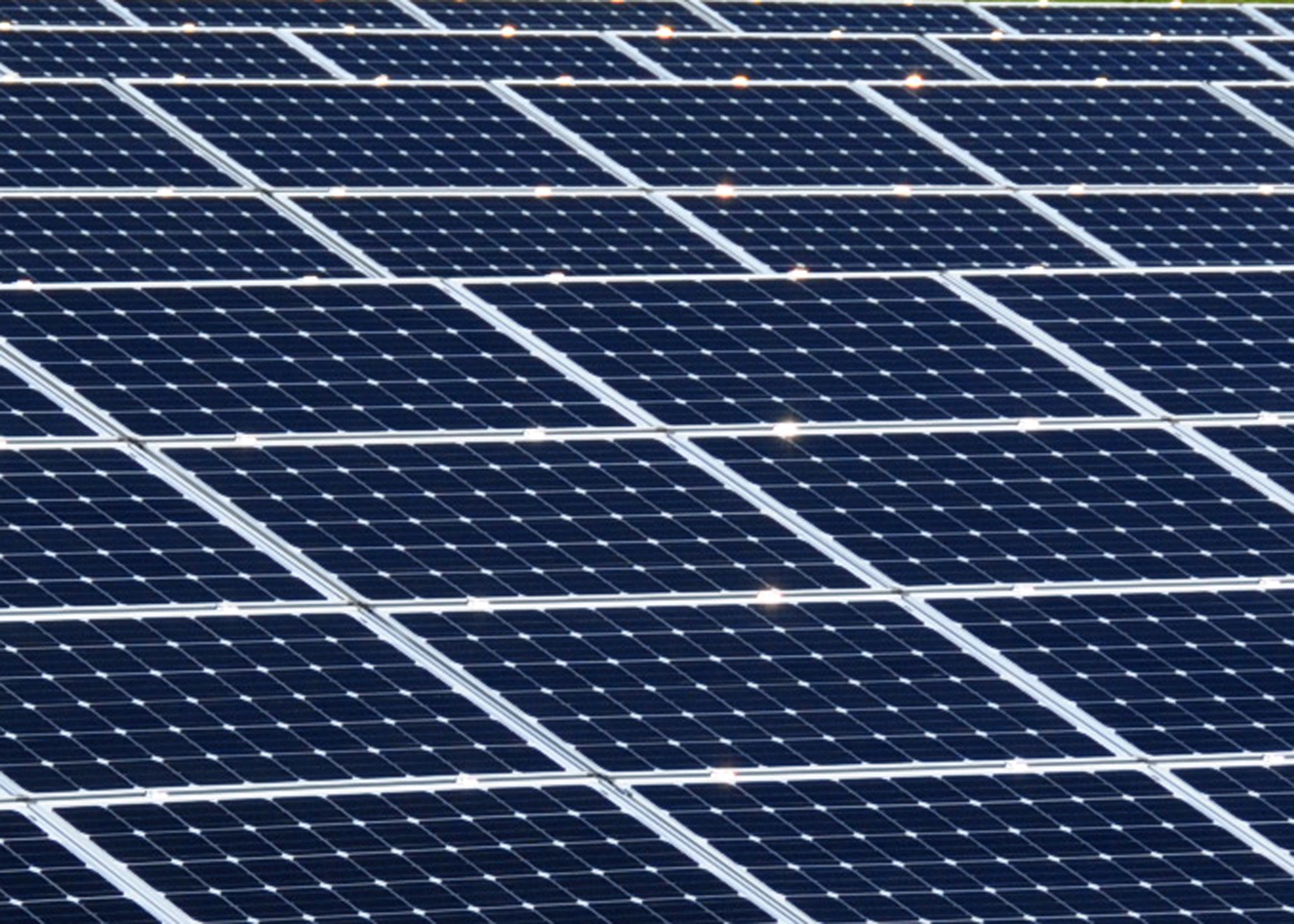
111022-N-OH262-322Climate change is acting like an ever-tightening vise on our energy options. Each year that passes without dramatic decreases in our use of carbon-emitting fuels means the cuts we have to make simply get more drastic. By 2030, say experts, we must entirely replace coal with efficiency and renewable energy, or fry. Even the most intrepid environmentalists wonder if it can be done without huge price hikes and wholesale changes in how we live and use energy–changes that society may not accept.

A new study out of the University of Delaware shows it is possible to power the grid 99.9% of the time with only solar and wind energy, at a cost comparable to what we are paying today. This counters the conventional wisdom that we will always need large amounts of fossil fuel as a backup when the wind doesn’t blow and the sun doesn’t shine. It also means the goal of getting largely beyond fossil fuels by 2030 is not just achievable, but practical.

The study focused on a regional transmission grid known as PJM, which encompasses parts or all of fourteen states, mostly in the Mid-Atlantic. Researchers ran 28 billion computer simulations to find the most cost-effective combinations of wind and solar that could power the entire grid, at the least possible cost and with minimal amounts of energy storage. The winning combination relied on natural gas turbines for backup on only five days out of the four years modeled.

The study authors looked for the least cost taking account of carbon and other external costs of fossil fuels, which are not being accounted for today, but they also assumed no technology improvements over time, making their cost estimates conservative overall. All the least-cost combinations used much more storage than we have today, but needed it for only 9 to 72 hours to get through the entire four years modeled.

The secret to dealing with the inherent variability of wind and solar, it turns out, is to build even more wind and solar. One wind turbine is unreliable, but tens of thousands spread across a dozen states greatly reduces the variability problem, and tens of thousands of wind turbines balanced with millions of solar panels is better still. To get to 99.9% renewables, you keep adding wind turbines and solar panels until you are producing three times the electricity that you actually need to meet demand. To power the grid with renewables just 90% of the time, you would have to produce “only” 1.8 times the electricity needed. (And yes, we have the windy sites and the sunny places to support all those projects.)

While it may sound strange to build more generation than you need, that is already the way grid operators ensure reliability. To take one example, if you were in Virginia when the “Big One” struck in 2011, you will recall that the earthquake caused the North Anna nuclear plant to shut down for four months. Nuclear energy provides a third of the electricity in Dominion Virginia Power’s service territory, and yet the lights stayed on. That’s because the grid wizards at PJM simply called on other power sources that had been idle or that had spare capacity.

The other component of reliability is the ability to match demand for power, which rises and falls with the time of day, weather, and other factors. So-called “baseload” plants like nuclear, coal, and some natural gas turbines don’t offer that flexibility and must be supplemented with other sources or stored energy. PJM currently uses more than 1,300 different generating sources, as well as about 4% storage in the form of pumped hydro. The right combination of other sources can replace baseload plants entirely.
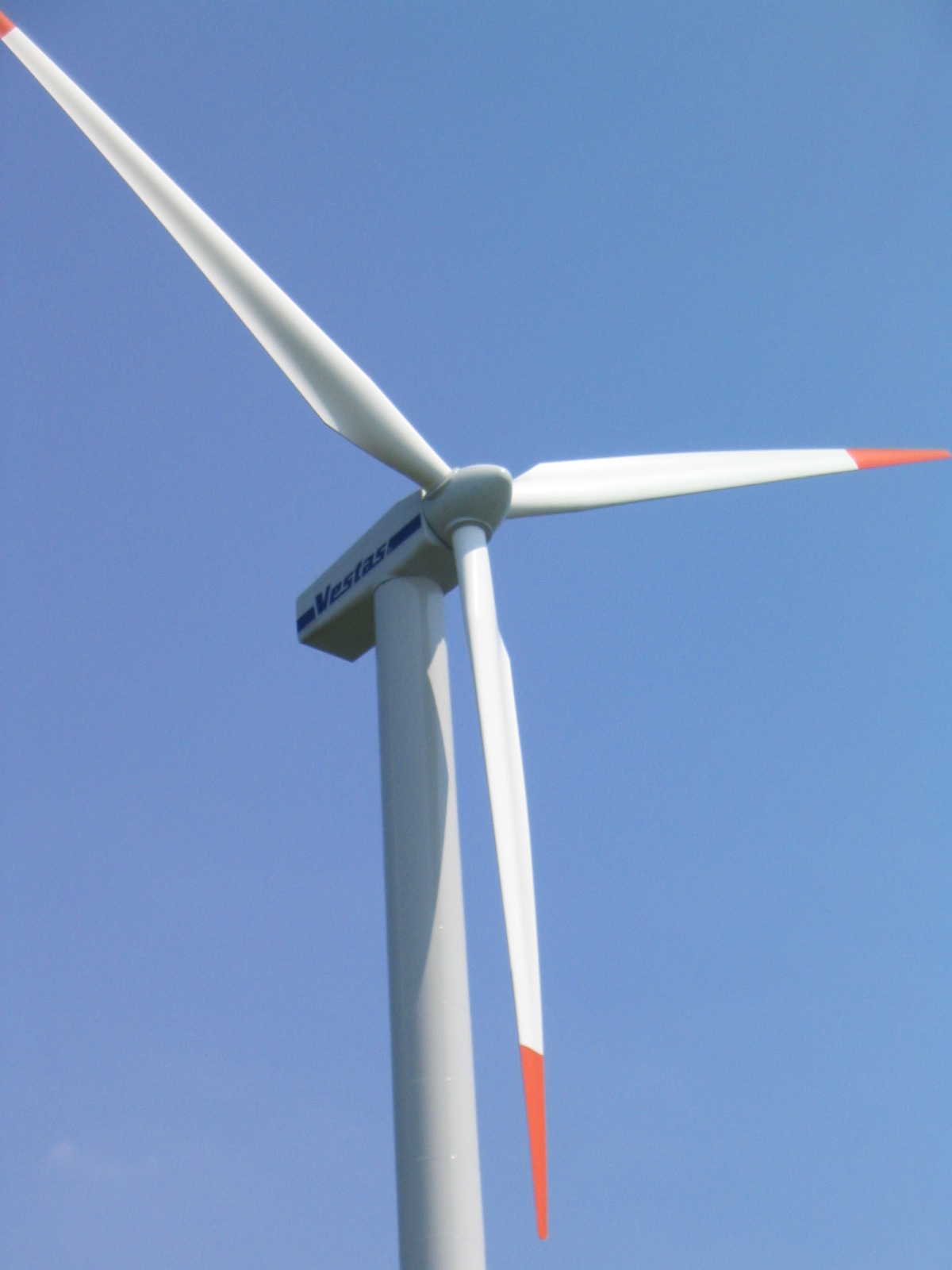
wind turbine-wikimedia

Pairing wind and solar improves their ability to meet demand reliably. Onshore wind tends to blow most strongly at night, while solar energy provides power during the peak demand times of the day. Offshore wind power is also expected to match demand well. Combining them all reduces the need for back-up power.

But until now policy makers have assumed that solar and wind won’t be able to power the grid reliably, even when combined and spread out over PJM’s more than 200,000 square miles, and with the addition of wind farms off the coast. Critics have insisted that renewable energy requires lots of back-up generating capacity, especially from some natural gas turbines that can ramp up and down quickly. New gas turbines have even been designed specifically to integrate with renewables in anticipation of increasing amounts of wind and solar coming onto the grid.

This makes the work of the U. Delaware researchers a game-changer by showing that wind and solar can be backed up primarily by more wind and solar. And so we can begin planning for a future entirely without fossil fuels, knowing that when we get there, the lights will still be on.
Unknown's avatar

Coal and the big lie

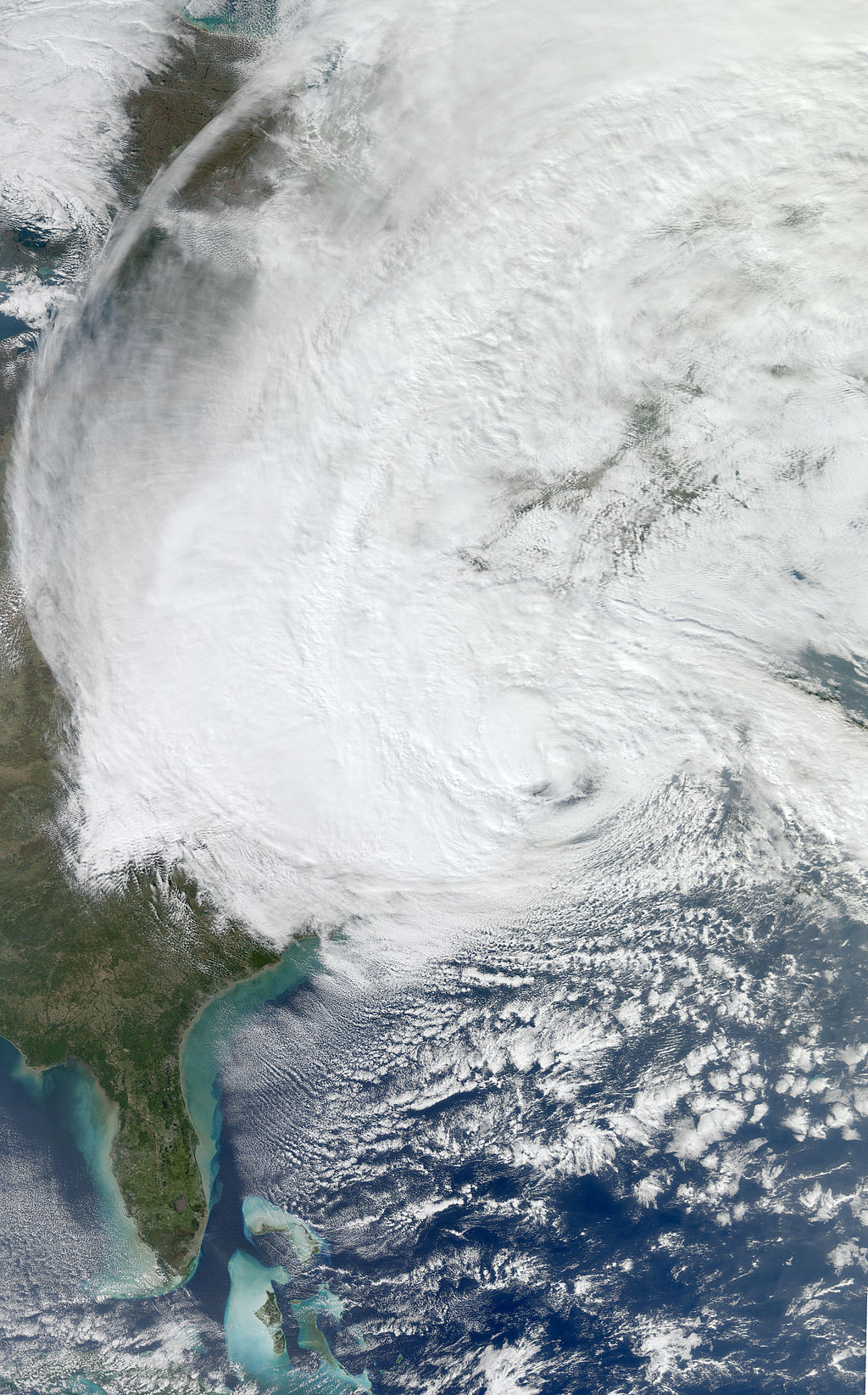
Hurricane Sandy swept into town this week, reminding Americans that climate change may be the Issue That Cannot Be Talked About, but that doesn’t mean it has gone away. Suddenly the fact that the two presidential candidates have been trying to outdo each other in professing their love for coal comes across as unseemly, if not downright perverse. Surely this would be a good time to acknowledge the impossibility of preventing the catastrophic effects of increasing carbon emissions if we are unwilling to stop burning the things that emit carbon—chief among them, coal.

So a war on coal might be a good idea, although the idea that the Obama Administration has been waging one is nonsense. The reasons for the decline of the coal industry are primarily the flood of cheap natural gas, which is out-competing coal as a fuel for electric generation, and the increasing cost of coal, especially in Appalachia.

Indeed, the Appalachian coal industry has been on the decline for years. The richest and most easily-reached coal has been mined, leaving thin seams that take more effort and expense to extract, pushing the price of Central Appalachian coal well above that of coal from the Powder River Basin further west.

From 1990 to 2006–before the recession, before the Obama presidency, and before the price of natural gas collapsed–Virginia coal mining declined from about 10,000 workers to about 4,500.  The U.S. Energy Information Agency projects that Virginia coal production will continue to decline through the rest of this decade.

But coal executives prefer to lie to workers than admit they can’t compete in the free market, and the politicians who’ve taken hundreds of thousands of dollars from the coal companies would rather parrot their lies than admit they have failed their constituents. Coal companies and their political bedfellows have been exploiting coal miners for two centuries; it’s no surprise to see them using these workers now as pawns in the presidential campaign.

But fingering the real culprits for coalworkers’ distress is the easy part; what’s harder is helping the residents of the coalfields areas find new jobs to replace the ones that are never coming back.

Ironically, in Virginia it has been environmental groups like the Sierra Club and Appalachian Voices that have championed a plan to do just that. For several years they have been urging an end to the approximately $45 million annually in state taxpayer subsidies that currently go to enrich coal companies, and replacing them with incentives to support new jobs in tourism, technology, clean energy and other industries.

This proposal should have gotten traction last year, when a report by the state’s Joint Legislative Audit and Review Commission (JLARC) concluded that the subsidies do not achieve their goal of supporting coal employment, and indeed that  “changes in coal mining activity appear unaffected by the credits.”

One would have thought that Republicans especially might have jumped at the chance to cut $45 million per year of wasteful spending, or that Governor “Bob-for-Jobs” McDonnell would have gladly seized the opportunity to build a jobs program that did not add a new line-item to the budget.

Following the release of the JLARC study, the legislature and the Governor did act—to extend the coal company subsidies for several more years. The message to the residents of southwest Virginia could not have been any clearer: it’s the coal company executives and their money we care about, not the miners and their families.

The presidential election will be over in a few days. Regardless of who wins, the Virginia coal industry will continue its decline. The only question left is how long the miners will accept being lied to.

Unknown's avatar

Is the EPA killing coal?

Coal industry executives, their friends at Fox News, and politicians trolling for votes in coal country are up in arms about what they are calling “the war on coal.” The “war” consists of EPA regulations affecting both the oldest coal-burning electric generation plants and ones not yet built. Under the first set of rules, the aging dinosaurs in the coal fleet—those grandfathered in under the original Clean Air Act in the 1970s–will finally have to meet modern-day pollution standards for mercury and smog-forming chemicals, so they kill fewer people. These plants have all outlived their 30-year design life, and many of them are 60 years old or more. They aren’t worth retrofitting, so they are closing down.

If that seems like too slim a provocation for rebellion, look at the war’s other front: another EPA rule that pretty much outlaws construction of anything but those “clean coal” plants that grab carbon dioxide right out of the smokestack and shove it underground. Given that those plants are thus far only creatures of myth and longing, it’s fair to say the EPA carbon rule would stop a new coal plant.

And yet, the EPA rule has absolutely nothing to do with why no one is building coal plants in America.

The situation reminds me of a nature hike I went on once, where we came across a box turtle. The naturalist told us that the box turtle might be extinct, only it didn’t know it yet. This odd state of affairs is because, for various reasons, the turtles seem not to be reproducing. No matter how many of them there are today, if there aren’t any babies, they are effectively extinct.

That’s the case with coal-fired power plants in America. There are hundreds of them in existence, and they still supply a third of our electricity, but nobody is building any new ones.

This has been true for the last few years, so blaming the Obama EPA smacks of political opportunism. Not that anyone would accuse politicians of that.

Of course, there are differences between a turtle and a coal plant. For one thing, everybody likes turtles. Coal plants, not so much. Over the last decade, all across the country, local people have banded together to shut the worst coal plants and to stop new ones from being built, citing health costs from breathing toxic pollutants and eating mercury-contaminated fish, the effects of mountaintop removal coal mining, and problems dealing with the toxic ash that is the primary waste product of coal burning.

But I think the real reason no one wants a new coal plant has to do with an ad campaign the coal industry ran when environmentalists started attacking the myth of “clean coal.” The coal industry figured it was just setting the record straight when it ran its own ads trumpeting the information that burning coal is a major way America gets electricity. “Coal keeps the lights on!” they announced.

And Americans, who thought their electricity came from little switches on the wall, were appalled.

“We’re burning what?” they asked each other. And that was the beginning of the end for coal.

Still, what Americans want, and what actually happens, doesn’t always coincide, so let’s move on to a second cause of coal’s decline. We’re talking about a force more powerful than either Fox News or public opinion: money.

That’s right: if you really want to find the culprit behind the death of coal, you have to finger the free market. That’s because coal’s chief competitor for making electricity is natural gas, and natural gas is ridiculously cheap today. For this we have to thank new methods of shale fracking that have people almost as upset as they are about coal burning, but with less success because gas is profitable and coal is not.

If you thought it was a bad idea for utilities to be single-mindedly dependent on coal, then you probably also think it’s bad that, after dropping coal like so much fool’s gold, the same utilities are now panting just as hard after natural gas. But if you stood up for coal on the basis that it was (a) cheap and (b) American, then you really can’t be heard to complain about its death at the hands of natural gas.

It’s far more convenient to blame the EPA, because it had the courage to come out of its mouse-hole, wave its tiny sword around, and announce, once no one wanted any new coal plants, that it was going to make it darn hard to build any new coal plants.

Puh-leeze.

The EPA isn’t waging a war on coal; the free market is. But that makes for a lousy sound bite.